Grand Designs: The Architectural Heritage of Europe’s Legendary Casinos
Venture beyond the gaming tables to discover how three European towns built empires of opulence, each telling a unique story of power, leisure, and architectural ambition. This is a world where the roll of the dice was secondary to the sweep of a cornice, where roulette wheels spun in rooms designed to awe and legitimise. From the sun-drenched Riviera to the misty Black Forest and the Atlantic coast, these temples of chance used stone, glass, and gilt as strategic tools to shape destinies and define an era. Their stories offer a compelling counterpoint to the more discreet tradition of British gaming houses.
Monte Carlo: The Belle Époque Playground of Princes
Perched on a rocky promontory, the Casino de Monte-Carlo is the quintessential symbol of casino as a sovereign enterprise. Its creation was an act of fiscal desperation by Prince Charles III of the House of Grimaldi, who, facing bankruptcy, franchised a gambling concession to fund his tiny principality. The result was not just a casino but a breathtaking architectural engine for economic revival.
Garnier’s Gamble: An Architectural Masterpiece
To ensure its success demanded more than tables; it required spectacle. The commission went to Charles Garnier, architect of the Paris Opéra. Garnier delivered a Belle Époque masterpiece, a confection of soaring towers, intricate sculpture, and lavish ornamentation. The complex famously houses the Salle Garnier, a sumptuous opera house within its walls, cementing the idea of high culture alongside high stakes. The deliberate, overwhelming grandeur was designed to distance the venture from disreputable gambling dens, presenting it instead as a palace of respectable leisure.
A Principality’s Fortune: How a Casino Built a Nation
The gamble succeeded beyond imagining. Revenue from the casino funded Monaco’s infrastructure, abolished direct taxes for its residents, and secured the Grimaldi dynasty’s future. The architecture was the billboard for this transformation, attracting European royalty, industrialists, and the aspirational elite. Monte Carlo became a byword for glamorous excess, its very skyline a testament to the power of architecture as a nation-building and branding tool.
Baden-Baden: Curative Waters and High-Stakes Refinement
In the wooded hills of Germany’s Black Forest, Baden-Baden offered a different allure: therapeutic spa waters. Its casino, housed within the magnificent Kurhaus, perfected the fusion of wellbeing and wealth. This was not a standalone pleasure dome but an integral part of a genteel spa regime, attracting a clientele seeking both physical and social rejuvenation.
The Kurhaus: Temple of Wellbeing and Wealth
The Kurhaus casino is a sublime example of neoclassical restraint and elegance, its design influenced by the style of Friedrich Weinbrenner, the architect who shaped Karlsruhe. With its grand colonnaded façade, polished marble interiors, and airy, light-filled gaming rooms, it exudes an aura of civilised calm. The architecture spoke of Roman baths and Greek temples, associating gambling with the ancient, respectable traditions of spa culture and aristocratic Grand Tours.
An Aristocratic Retreat: Dostoevsky, Bismarck and the ‘Summer Capital of Europe’
Throughout the 19th century, Baden-Baden’s casino became the unofficial summer parlour of Europe’s elite. Its visitor book read like a who’s who of the era: Fyodor Dostoevsky (who famously lost his fortune here, inspiring *The Gambler*), Otto von Bismarck, and a parade of Russian princes, French writers, and British nobility. The architecture provided the suitably dignified and neutral ground for this international set, earning the town its title as the ‘Summer Capital of Europe.’
Estoril: The Neutral Ground of Spies and Exiled Royalty
On the Portuguese Riviera, the Casino Estoril presented a 20th-century chapter in this architectural saga. Opened in the 1930s, it was Europe’s largest casino, a bold statement of modernist confidence. Its clean, sweeping Art Deco lines and geometric motifs stood in stark contrast to the ornate historicism of its predecessors, yet it served a similar purpose: to project sophistication and attract a global jet set.
Art Deco by the Atlantic: A Modernist Marvel
With its streamlined façade, expansive gaming floors, and elegant ballrooms, Casino Estoril captured the spirit of a new, modern age of leisure and speed. The architecture was glamorous without being ostentatious, sophisticated and international in its style. It became the centrepiece of the Estoril coast, drawing wealthy tourists, playboys, and intellectuals seeking sun and sophistication under Portugal’s neutral flag during turbulent times.
The Real ‘Casino Royale’: Espionage and Exiles
During World War II, Estoril’s neutrality made it a magnet for exiled royalty, refugees, and spies from both Allied and Axis powers. The casino’s terraces and gaming rooms buzzed with intrigue, as agents monitored each other and conducted clandestine diplomacy. This unique atmosphere was observed by a British naval intelligence officer named Ian Fleming, who would later use it as the primary inspiration for his first James Bond novel, Casino Royale. Here, architecture provided the stylish backdrop for a very real game of geopolitical stakes.
Architectural Opulence as a Strategic Tool
Despite their differing styles and eras, Monte Carlo, Baden-Baden, and Estoril shared a core strategy: using monumental, beautiful architecture to legitimise and elevate the act of gambling. They transformed a potentially sordid commercial activity into a cultural and social event.
Palaces, Not Dens: The Psychology of Grandeur
The psychological impact is deliberate. Entering a building that resembles a royal palace, an opera house, or a classical temple immediately imposes a code of conduct. It attracts a wealthier, more ‘respectable’ clientele who might shun a plainer venue. The architecture acts as a filter and a statement of intent, proclaiming that within these walls, gambling is a privilege of the elite, a refined pastime rather than a vulgar vice.
Material Grandeur: Marble, Gold Leaf and Stained Glass
This strategy was executed through the finest materials and craftsmanship. The continental casinos are defined by their sensory opulence:
- Monte Carlo: Gilt stucco, painted ceilings, onyx columns, and breathtaking frescoes.
- Baden-Baden: Polished Carrara marble floors, crystal chandeliers, and intricate parquet de Versailles.
- Estoril: Exotic woods, sleek chrome fittings, and vast abstract murals characteristic of the Art Deco era.
This material grandeur was non-negotiable; it was the very currency of credibility.
A Contrast with Britain’s Listed Casino Heritage
This continental model of the casino as a standalone, monumental palace stands in stark contrast to the United Kingdom’s tradition. Shaped by historically stricter social attitudes and legal frameworks, notably the UK’s Gambling Act of 1968 which legalised commercial casinos under tight constraints, British gaming establishments evolved with a characteristic discretion.
London’s Discreet Dens: Private Clubs and Townhouses
London’s most famous historic casinos have typically been embedded within the existing urban fabric, often in converted Georgian or Victorian townhouses and private members’ clubs. Their grandeur is interior and social, not architectural. Establishments like the former Crockford’s Club in Mayfair or The Clermont Club on Berkeley Square (housed in a stunning Robert Adam-designed mansion) operated behind discreet façades. Their prestige came from their exclusive membership lists and opulent, club-style interiors, not from dominating a city’s skyline. This made them Grade II listed buildings for their historic and architectural interest as elite dwellings, not as temples of public gambling.
Preservation Challenges: The Hippodrome vs. Continental Palaces
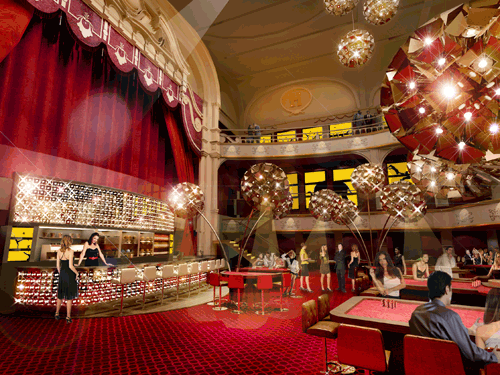
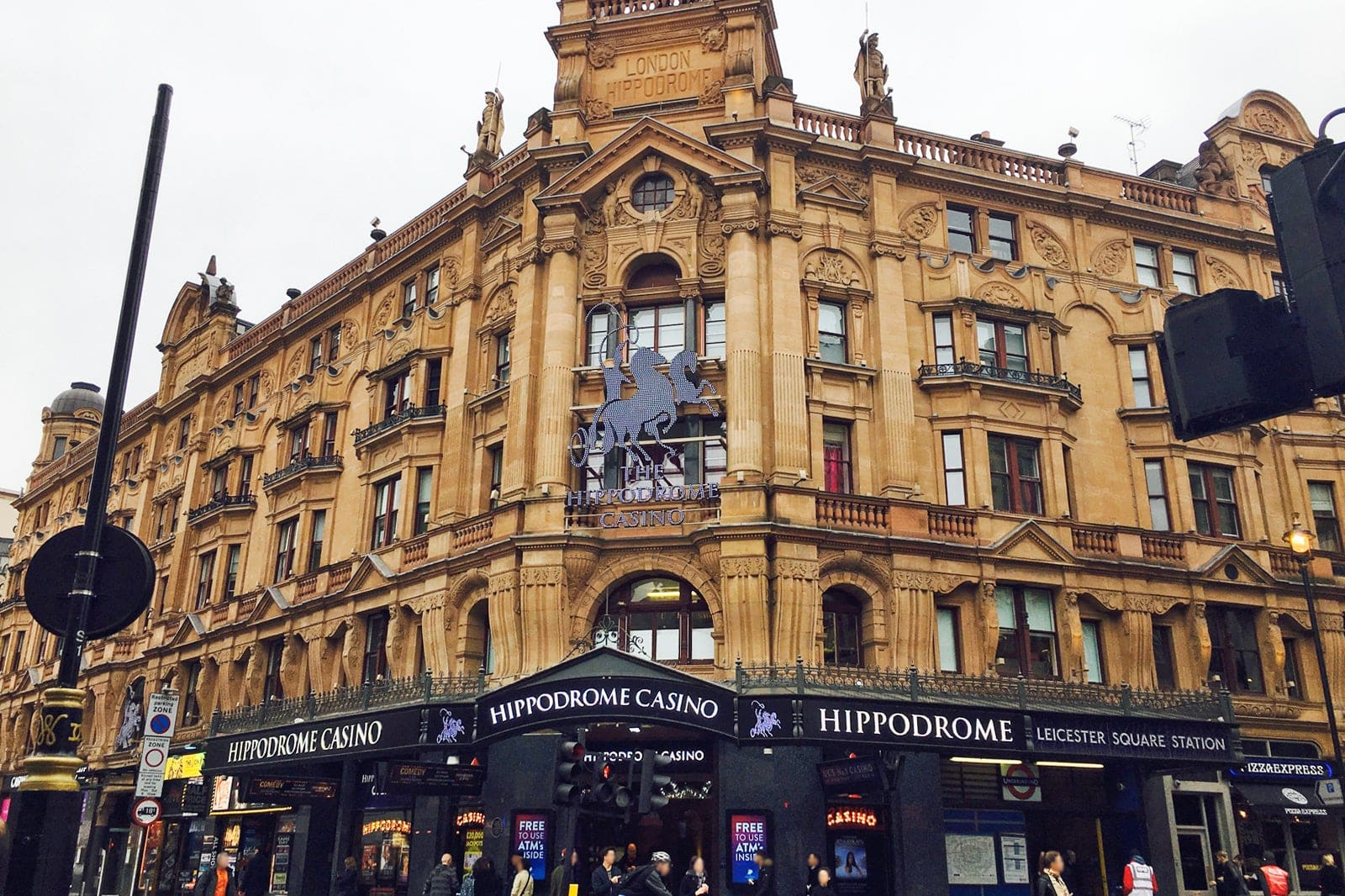
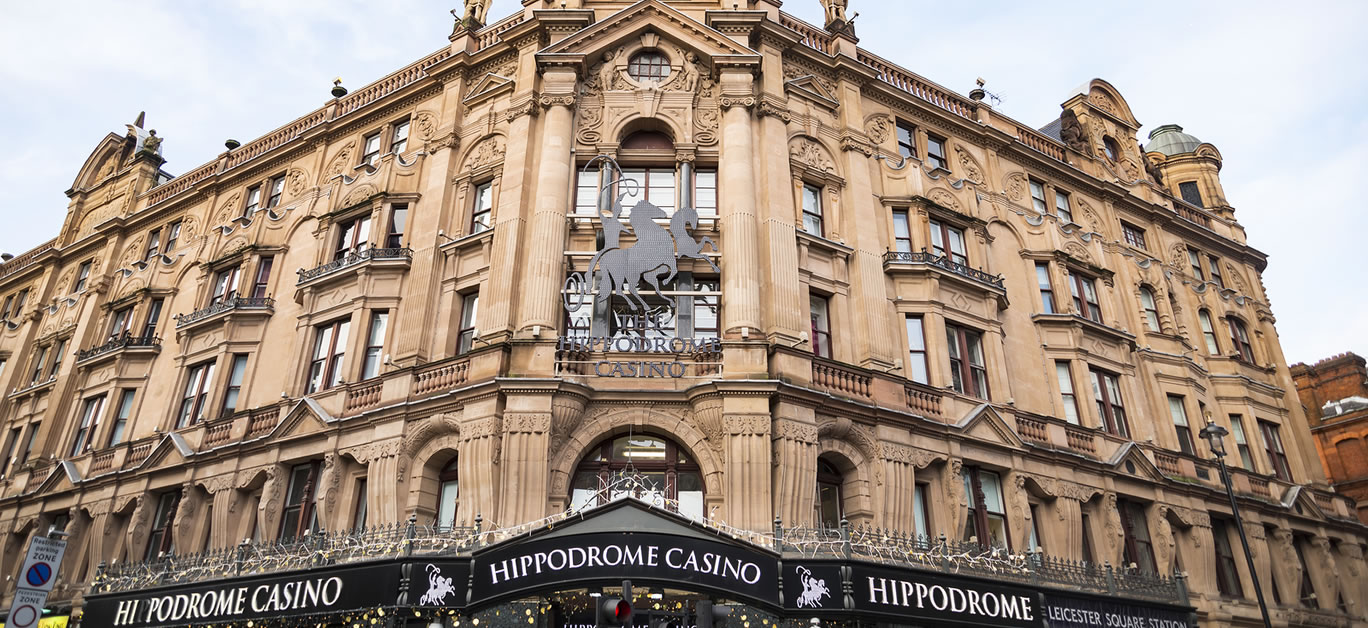
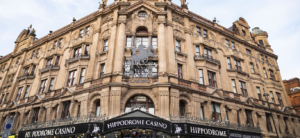
This difference creates unique preservation challenges. While continental casinos are preserved as national monuments, UK casino heritage is more vulnerable. A prime example is The Hippodrome Casino, London. Its significance lies in its original 1900 use as a theatre and variety palace, a history that secured its protection. Its adaptation into a casino is a modern reuse, layered onto its existing Edwardian Baroque splendour. Its preservation fight centred on its theatrical past, not its gaming present—a nuance less common with the purpose-built palaces of Europe.
From the Belle Époque extravagance of Monte Carlo to the neoclassical calm of Baden-Baden and the modernist intrigue of Estoril, these continental casinos stand as monuments to a bold truth: architecture itself was the ultimate high-stakes game. They were built not just to house games of chance, but to win a wager on respectability, economic survival, and international prestige. Their enduring legacy reminds us that in these rarefied worlds, the most powerful gamble was often placed on the drawing board, long before the first chip was ever stacked.