Historic UK Casino Buildings: From Victorian Spa Halls to Modern Resorts
Our team finds that the story of UK casino buildings is a surprisingly rich tapestry of social history, architectural ambition, and evolving tastes, woven into the fabric of our cities. Far from being mere gambling dens, these establishments have often occupied architecturally significant premises, reflecting the leisure pursuits and social mores of their eras. From the genteel spa halls of the 19th century to the glittering modern resorts of today, the journey of casino architecture offers a unique lens through which to view Britain’s cultural heritage.
The Victorian Foundations: Spa Halls and Gentlemen’s Clubs
The genesis of British casino culture is not found in the bustling metropolis, but in the elegant spa towns of the Regency and Victorian eras. Here, amidst the pursuit of health and restorative waters, the seeds of a specific type of leisure gambling were sown, later evolving into the exclusive clubs of London.
The Spa Town Connection
In towns like Bath, Leamington Spa, and Cheltenham, grand assembly rooms and pump houses were the social hubs. Gambling, in the form of card games and modest wagering, was an accepted part of the seasonal social calendar for the affluent visitors. These activities took place within architecturally refined settings, establishing an early link between sophisticated recreation and beautiful buildings. This model was directly imported from continental spa resorts, such as those at Bad Ems and Baden-Baden, where casino gaming was a central pillar of the resort experience.
The Rise of the Exclusive Club
The migration of this culture to London saw gambling retreat from public spa halls into the private, masculine world of the gentlemen’s club. The most famous pioneer was Crockford’s, established in 1828 on St James’s Street. It set a completely new standard for opulence and exclusivity, attracting the aristocracy and political elite. Its success created a blueprint: the high-stakes gaming club as a lavishly appointed, members-only sanctuary. This model dominated London’s high-end gambling scene for over a century, favouring discreet, often domestically-scaled buildings in the heart of Mayfair and St. James’s.
London’s Listed Casino Architecture: A Walk Through History
London’s streets hold some of the most architecturally significant casino properties in the world, with several enjoying protected listed status. These buildings tell a story of changing use, enduring grandeur, and a city constantly repurposing its past.
The Clermont Club: A Georgian Gem
Perhaps the pinnacle of this heritage is The Clermont Club, located at 44 Berkeley Square. Housed within a magnificent Grade I listed Georgian mansion designed by William Kent in the 1740s, the building is an architectural treasure in its own right. Its conversion into a private gaming club in the 1960s required sensitive adaptation, preserving its exquisite original interiors, including ornate plasterwork and sweeping staircases. This marriage of historic preservation and modern use underscores the cultural value embedded in these venues.
The Ritz Club: Art Deco Grandeur
Beneath the world-famous Ritz Hotel on Piccadilly lies The Ritz Club. Accessed via a discreet entrance, the club occupies the hotel’s original ballroom and basement spaces. While the hotel’s exterior is a masterpiece of French neoclassism, the club’s interiors are a stunning example of later Art Deco redesign. The lavish use of marble, intricate metalwork, and opulent detailing creates a self-contained world of 1920s glamour, demonstrating how casino interiors evolved to project a specific image of luxury and modernity.
The Hippodrome History: From Theatre to Casino Landmark
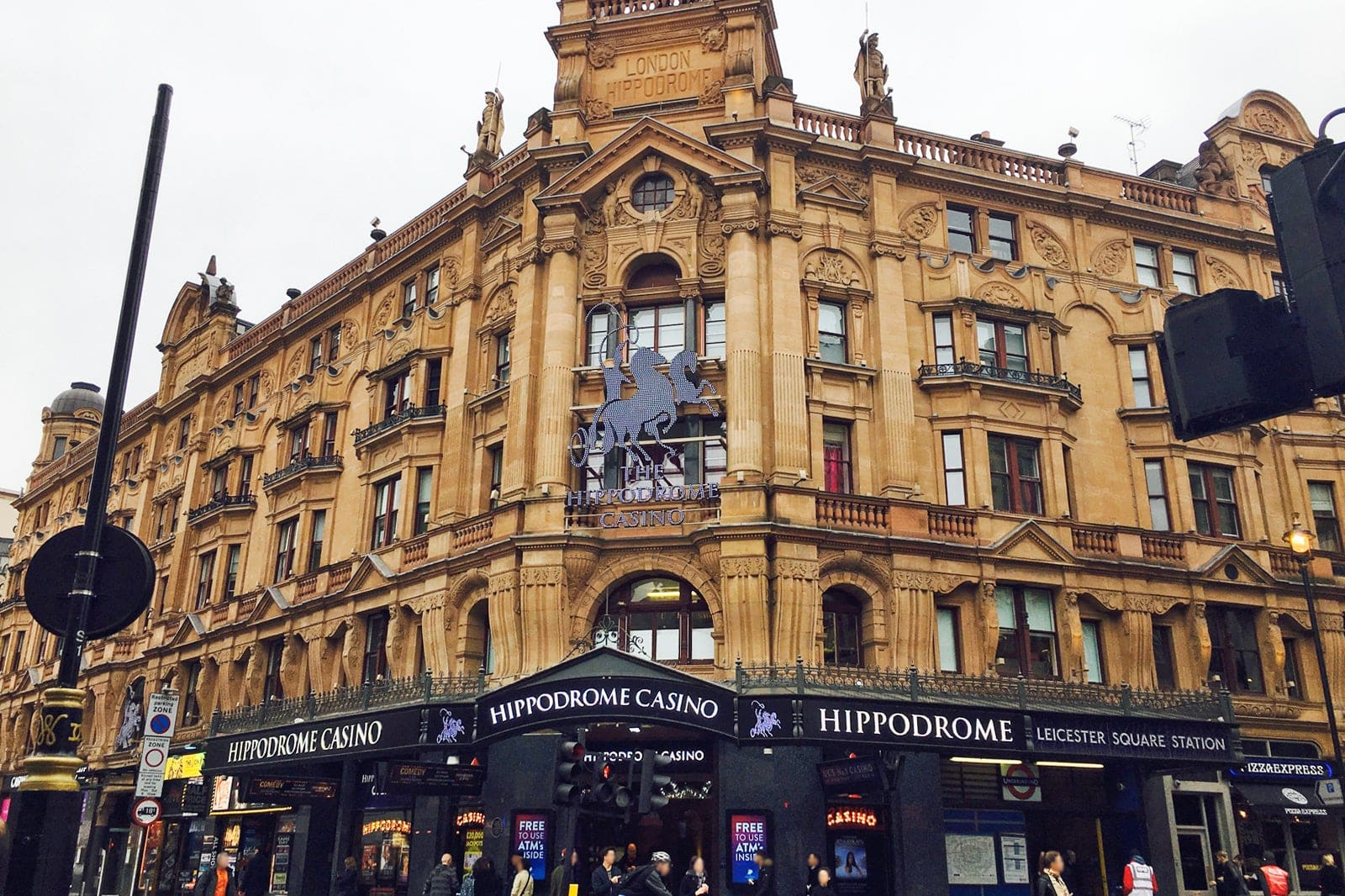
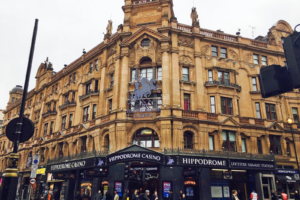
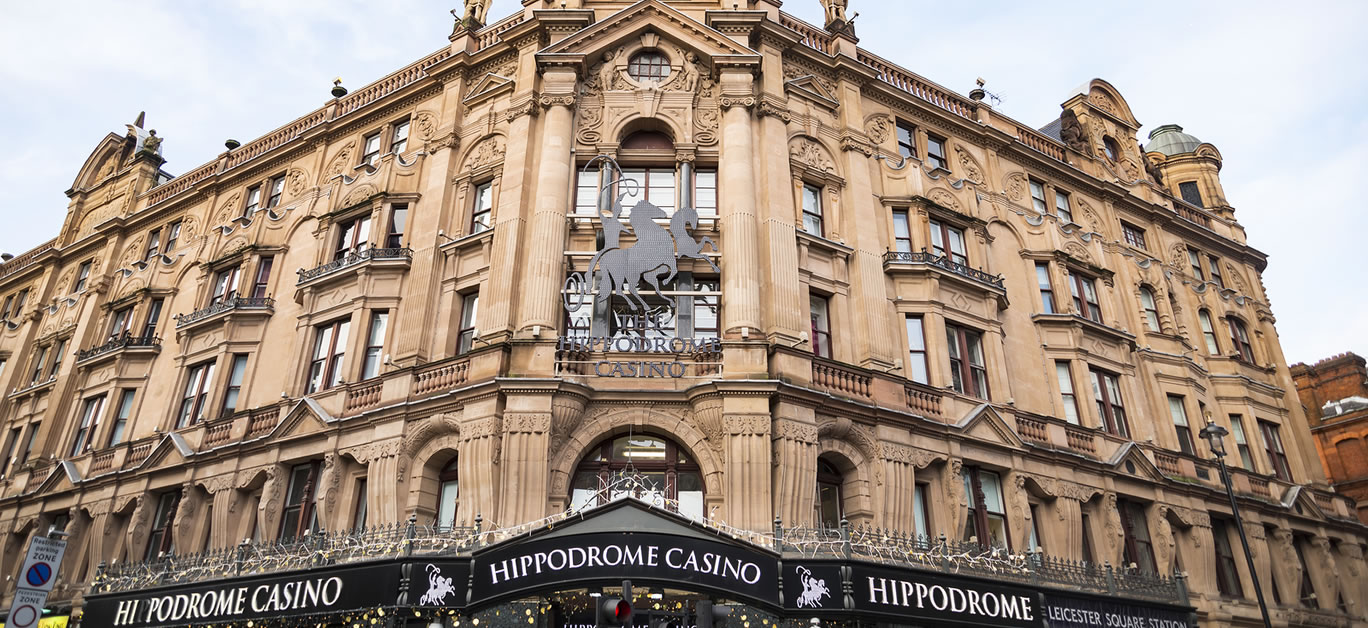
No building encapsulates the adaptive reuse and theatrical heritage of UK casino architecture better than The Hippodrome Casino in Leicester Square. Its story is one of spectacular reinvention.
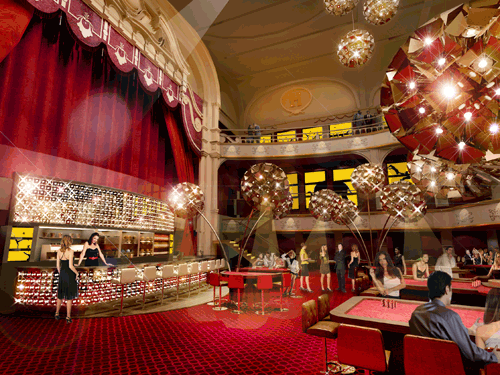
The Hippodrome Casino first opened in 1900 as a circus and variety theatre, designed by Frank Matcham in the exuberant Edwardian Baroque style. Its stage featured water tanks for aquatic spectacles and it could seat over 1,300 people. Throughout the 20th century, it evolved from theatre to nightclub, hosting legendary performers. In 2012, it underwent a transformative £40 million restoration to become a multi-floor casino. Critically, the redevelopment preserved and highlighted its stunning original features:
- The iconic dome and proscenium arch of the Matcham theatre.
- Ornate balconies and grand staircases.
- Historical bars and theatrical fixtures.
This successful fusion makes it a living museum of entertainment history and a premier example of how to give a historic building a vibrant new lease of life.
European Casino Heritage and Its Influence on the UK
The development of British casino architecture cannot be divorced from broader European trends. Continental models of grandeur and sociability profoundly influenced British patrons and architects, shaping aspirations for what a casino should be.
The Monte Carlo Effect
The opening of the Casino de Monte-Carlo in 1863 created an international sensation. Designed by Charles Garnier (architect of the Paris Opéra), its breathtaking Beaux-Arts opulence became the global benchmark for casino luxury. British high society flocked to Monaco, and the desire to replicate this experience at home influenced the scale and ambition of subsequent British projects. It fostered a taste for continental grandeur that moved beyond the clubbish intimacy of Crockford’s towards more theatrical, palace-like environments.
Spa Culture Across the Channel
As mentioned, the earlier model of the German and French spa casino, such as those at Bad Ems and Monte Carlo’s earlier rival, Baden-Baden, was equally influential. These were not standalone casinos but integrated components of a holistic resort experience, set within picturesque landscapes and elegant urban plans. This concept of gambling as part of a wider leisure offering prefigured the modern integrated resort and informed the development of Britain’s own spa towns, creating a trans-European language of refined gaming architecture.
The Modern Era: Resort Casinos and Contemporary Design
The turn of the 21st century heralded a decisive shift in the UK’s casino landscape, driven by legislative change and new consumer expectations. The architecture moved decisively towards large-scale, accessible, and multi-functional destinations.
The Integrated Resort Model
This new philosophy is best embodied by Aspers Casino in Westfield Stratford City, one of the UK’s largest modern casino resorts. Unlike its historic predecessors, it is a vast, purpose-built space within a major shopping and entertainment complex. Its design language is contemporary and open-plan, featuring multiple bars, restaurants, and event spaces alongside the gaming floor. The focus is on volume, light, and creating a destination for a broad demographic, contrasting sharply with the secluded, members-only ambiance of a Mayfair club.
Regional Developments
This trend is mirrored in major regional cities, where new-build casinos or significant conversions of large buildings (like cinemas or warehouses) offer a similar resort-style experience. The architectural emphasis is on creating a striking modern identity, ample facilities, and operational efficiency, often standing in stark visual contrast to the historic fabric of their city centres. This represents the latest chapter in the ongoing evolution of what a casino building is designed to be and do.
We argue that these buildings, whether still operating as casinos or repurposed, form a vital and often overlooked chapter in the UK’s architectural and social narrative, deserving of both appreciation and protection. From the Grade I listed splendour of The Clermont Club to the theatrical revival of The Hippodrome and the bold modernity of Aspers, each structure tells a part of the story of British leisure, design, and urban change. To study them is to understand a fascinating strand of our national heritage.