How Listed Buildings Are Converted Into Modern Casino Venues
Across the UK, the grand facades of historic buildings are finding a surprising new lease on life, not as museums, but as vibrant casino venues. This fascinating trend sees the opulent architecture of a bygone era repurposed for contemporary entertainment, creating a unique fusion of heritage and modern leisure. From former theatres and banks to gentlemen’s clubs, the conversion of listed structures into casinos presents a complex yet compelling model for urban regeneration and heritage preservation, ensuring these architectural treasures remain dynamic parts of our cityscapes.
The Legal Framework: Navigating Listed Building Consent
Transforming a historic building into a modern casino begins not with a blueprint, but with a legal and regulatory gauntlet. The cornerstone of this process is securing Listed Building Consent, a mandatory permission required for any work that affects the special architectural or historic interest of a listed structure. Planning authorities have a statutory duty to consider heritage impact, weighing the commercial proposal against the imperative to preserve the building’s character for future generations. This creates a delicate negotiation between developers, conservation officers, and local councils, where the challenge is to prove that a new, often bustling, commercial use can coexist with centuries-old fabric.
Understanding Grade I, II*, and II Listing
The level of scrutiny applied depends heavily on a building’s designated grade. The UK system categorises listed buildings to reflect their national importance:
- Grade I: Buildings of exceptional interest (e.g., the Royal Opera House). Conversion is extremely rare and highly restrictive.
- Grade II*: Particularly important buildings of more than special interest. Major interventions require robust justification.
- Grade II: Buildings of special interest, which comprise the vast majority of listed structures. While offering more flexibility, any alteration still demands careful, sensitive design.
Most casino conversions, therefore, occur within the Grade II category, where a balance between viable new use and conservation can be more readily struck.
The Role of Historic England and Local Councils
Historic England is the UK government’s statutory adviser on the historic environment and plays a pivotal role. While local planning authorities grant consent, they heavily rely on Historic England’s guidance, especially for higher-graded buildings or contentious proposals. The local council’s conservation officers are the day-to-day gatekeepers, scrutinising applications to ensure that proposed changes are truly sympathetic and necessary, often requiring detailed material samples and construction methodologies before granting approval.
The Art of Sensitive Adaptation: Key Architectural Challenges
Once consent is in principle secured, the real work begins: physically integrating a 21st-century entertainment venue into a historic shell. This requires an architect to think like a surgeon and a historian simultaneously, navigating stringent constraints to hide modern necessities while celebrating original splendour.
Concealing Modern Infrastructure
The single greatest technical challenge is installing modern services—high-capacity air conditioning, extensive electrical wiring, IT networks, and sophisticated security systems—without damaging historic fabric. Techniques include:
- Creating new, discreet vertical service risers in redundant chimney voids or secondary staircases.
- Using underfloor voids or raised floors in areas where original flooring is not intact or is less significant.
- Routing cables and ductwork through bespoke coving or behind newly constructed, non-historic partition walls that leave the original structure untouched.
The goal is to make the modern infrastructure entirely invisible from within the principal historic spaces.
Preserving Historic Interiors and Facades
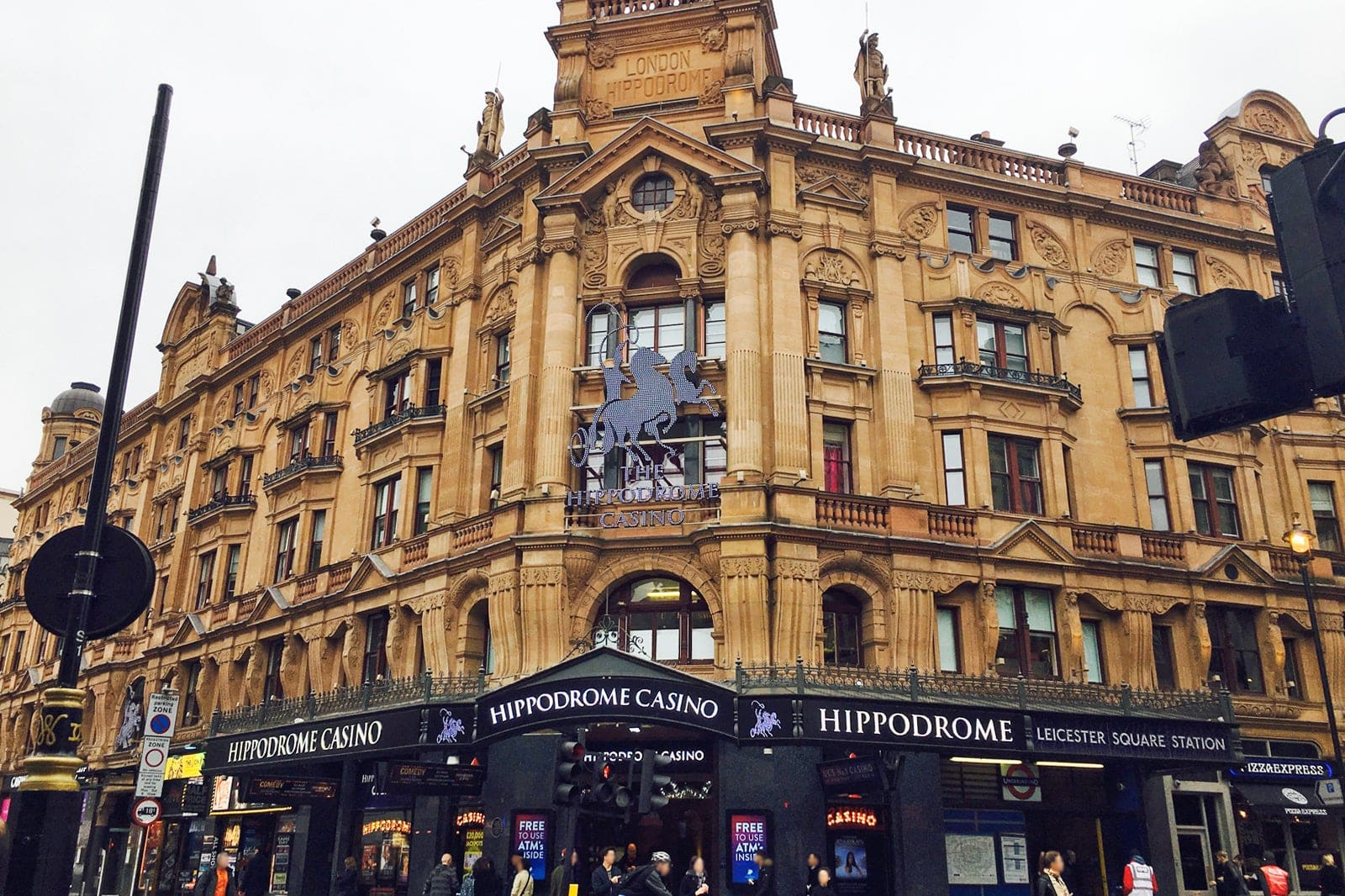
While the infrastructure is hidden, key historic features are meticulously restored and highlighted. Decorative plasterwork, original fireplaces, stained glass, and ornate staircases are often painstakingly cleaned and repaired. The facade, the building’s public face, is almost always preserved intact, with any new signage subject to strict size, material, and illumination controls. The use of sympathetic materials—such as traditional lime mortar for repairs or reclaimed timber for new joinery—is non-negotiable to ensure additions are reversible and blend seamlessly.
London’s Iconic Casino Conversions: The Hippodrome & Beyond
London provides the most stellar examples of this conversion trend, where the density of historic buildings meets high demand for premium leisure spaces. These projects demonstrate the potential for layered history within a single venue.
The Hippodrome: A Triple-Threat Transformation
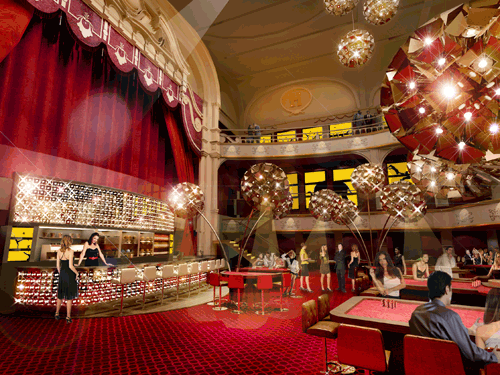
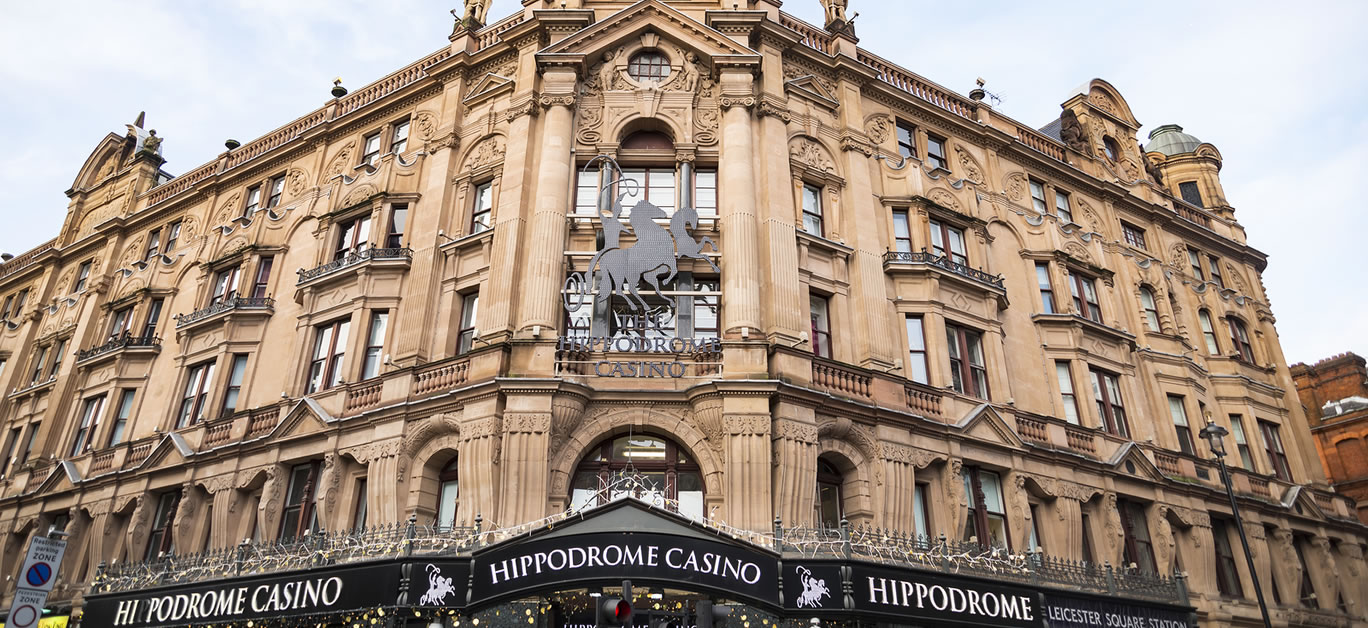
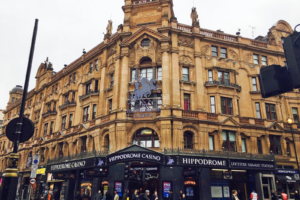
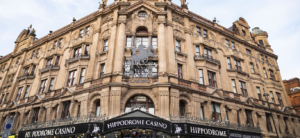
The most famous example is The Hippodrome Casino in Leicester Square. The Hippodrome Casino in London is a Grade II listed building originally opened as a theatre in 1900. Its journey epitomises adaptive reuse: designed by Frank Matcham, it later served as a nightclub before its £40 million conversion into a casino in 2012. The project involved restoring Matcham’s stunning auditorium (now the main gaming floor), preserving the iconic dome, and ingeniously adding a multi-storey extension at the rear to house a restaurant, a poker room, and additional amenities without compromising the original street-facing architecture. It stands as a masterclass in respecting heritage while creating a dynamic, modern venue.
Other Notable London Adaptations
Beyond the Hippodrome, London boasts other significant conversions. The RAC Club on Pall Mall, a magnificent Grade I listed building by Mewès and Davis, now houses a casino within its palatial interiors. Similarly, the former County Bank building in Mayfair has been transformed, its banking hall becoming a lavish gaming room. Each project navigates its unique constraints, proving there is no one-size-fits-all solution, only a shared commitment to sensitive intervention.
Beyond London: UK Casino Heritage from Brighton to Scotland
This phenomenon is not confined to the capital. Across the UK, historic buildings and locations are being reimagined as casino venues, contributing to local regeneration and offering alternative uses for challenging sites.
Seaside Heritage: Brighton’s Casino Offerings
Brighton’s seafront and marina have become hubs for this type of development. Brighton’s casino development at the marina involved significant adaptation of the waterfront structures. The purpose-built complex at the marina, operated by brands like Grosvenor, required designs that responded to the coastal environment and the existing architectural language of the harbour. In the city centre, historic buildings have also been adapted, blending the city’s Regency heritage with modern entertainment.
Historic City Centre Adaptations
In cities like Manchester, Edinburgh, and Glasgow, casinos often occupy converted banks, theatres, or assembly rooms. Grosvenor Casinos operate several venues within historic or adapted buildings across the UK, such as their venue in a converted building in the heart of Edinburgh, a city where planning constraints are exceptionally tight due to its UNESCO World Heritage status. These adaptations ensure that grand old buildings in provincial city centres remain in active, revenue-generating use, preventing them from falling into disrepair.
The Commercial & Cultural Balancing Act
The drive to convert listed buildings into casinos is not merely architectural whimsy; it represents a pragmatic commercial and cultural balancing act. For operators, a historic building offers unparalleled ambiance, brand distinction, and a prime, often central, location. For conservationists, it can represent the most sustainable path to securing a building’s future.
A Sustainable Funding Model for Heritage?
The substantial investment required to restore and maintain a listed building is often beyond the means of public or charitable bodies. A commercially successful casino operation can generate the significant ongoing revenue needed to fund meticulous upkeep, specialist repairs, and the high operational costs associated with old buildings. In this sense, the gaming floor effectively subsidises the preservation of the roof, walls, and historic features, providing a private-sector solution to a perennial public heritage challenge.
Maintaining Public Access and Character
Critically, these conversions typically maintain a degree of public access that might be lost if the building became private offices or apartments. While age-restricted, casinos in historic settings allow the public to experience magnificent interiors that would otherwise be closed off. The key to success lies in ensuring the new use does not overwhelm the building’s character. Sensitive conversions manage to keep the architecture as the star, with the casino activity fitting respectfully into the historic setting, rather than vice versa.
In conclusion, the conversion of listed buildings into modern casino venues, when executed with sensitivity and rigour, offers a compelling and sustainable model for heritage preservation. It demonstrates that historic architecture need not be a relic frozen in time but can be a living, evolving part of the urban fabric. By marrying commercial viability with conservation integrity, these projects ensure that the grandeur of the past continues to inspire and entertain generations to come, all while securing the structural and financial future of the UK’s irreplaceable architectural heritage.